



Imagine the thrill of sending out your handcrafted products, mixed with that little worry—will everything arrive safe and looking beautiful? In 2026’s fast-moving e-commerce scene, this is a daily reality for small shops and makers. The challenge is real: packaging poly mailers so items stay protected, presentable, and ready to delight your customers.
This guide is here to help you master packaging poly mailers, step by step. You’ll learn how to choose the right mailer, prep your products, seal and label with confidence, explore eco-friendly options, and solve common shipping hiccups. Ready to ship with less stress and more smiles? Let’s dive in for expert tips that make every package a joy to send—and receive.
Understanding Poly Mailers: Types and Benefits
Poly mailers have become a favorite for e-commerce and small business shipping in 2026. These lightweight, flexible bags offer a simple yet reliable way to send everything from t-shirts to books, keeping orders safe and presentable on their journey to your customer.
There are several types of packaging poly mailers, each with unique strengths. Flat mailers are perfect for soft items like clothing. Padded and bubble mailers add a layer of cushioning, making them ideal for books, jewelry, or items that need a bit more protection. If you want a closer look at these options, check out this helpful guide on types of mailer packaging.
Why are poly mailers so popular? They’re water-resistant, easy to store, and can cut shipping costs by up to 30% compared to traditional boxes. Many sellers love how they’re available in eco-friendly versions, including biodegradable and recycled-content options. Plus, you can find mailers with custom prints, seasonal themes, or special closures to help your brand shine.
It’s important to note, though, that packaging poly mailers aren’t the right choice for everything. If you’re shipping something very fragile or with sharp edges, a sturdier box is still the best bet.

Step 1: Choosing the Right Poly Mailer for Your Product
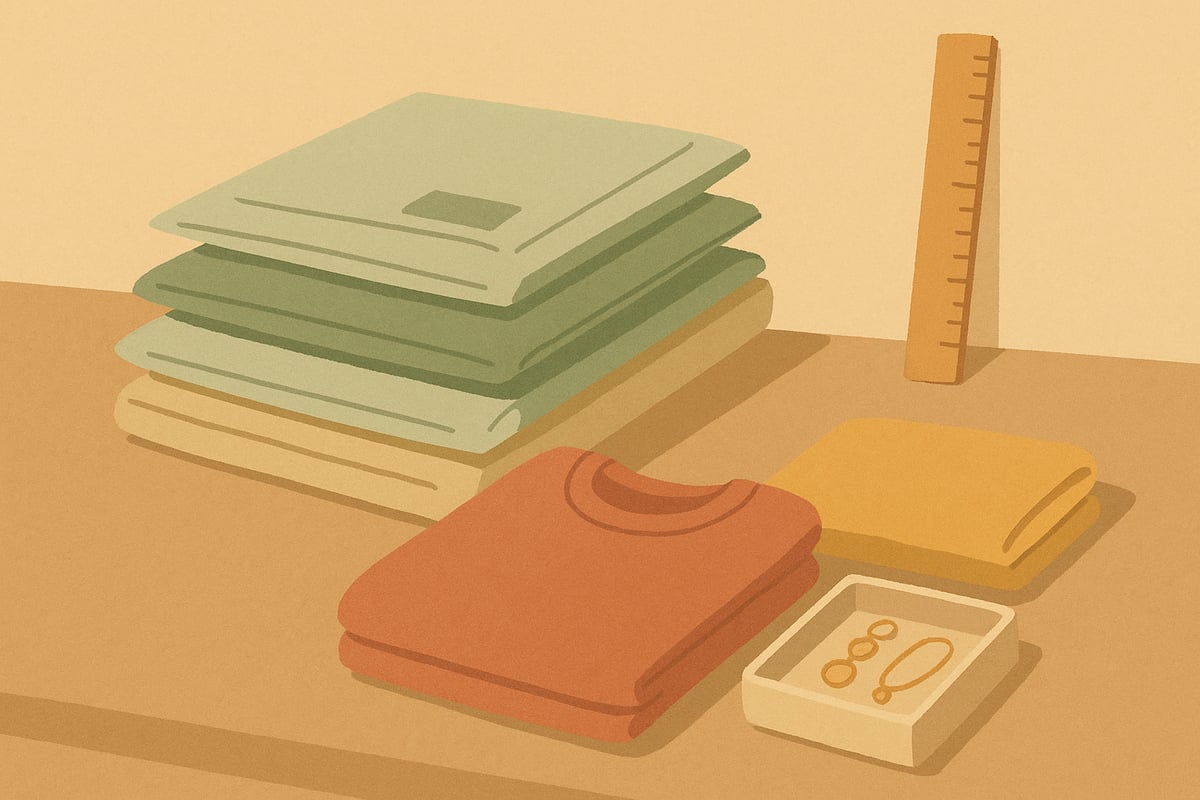
Selecting the perfect size and type is the first step to packaging poly mailers securely. The right fit not only protects your product but also leaves a great impression when customers unbox their order. Start by measuring your item’s length, width, and height, then add a little extra room for wrapping or padding.
Quick Sizing Checklist:
- Measure your product after any wrapping.
- Allow 0.5–1 inch for easy sealing.
- Avoid excessive space to prevent shifting.
Material thickness matters, too. Poly mailers are usually 2–3 mils thick, but heavier items may need 3–4 mils for extra durability. If you’re shipping delicate or oddly-shaped goods, padded or bubble mailers add a layer of protection that standard options lack. For example, a jewelry seller cut returns by switching to padded mailers for fragile earrings.
Fit is everything. A mailer that’s too large lets items slide, risking damage, while one that’s too snug may tear or pop open. Eco-friendly packaging poly mailers are rising in popularity, with 40% of small businesses choosing sustainable options. Look for certifications like biodegradable or recycled content to align with customer values.
Not sure which size to pick? Try using an online mailer sizing calculator to match your product perfectly. This simple step helps avoid shipping mishaps and ensures every parcel looks tidy and professional.
Step 2: Preparing Items for Secure Shipping
Getting your products ready for their journey is just as important as choosing the right mailer. Thoughtful preparation can make all the difference in preventing damage and creating a delightful unboxing moment. Let’s break down the essentials for packaging poly mailers like a pro.
Protecting Products Inside the Mailer
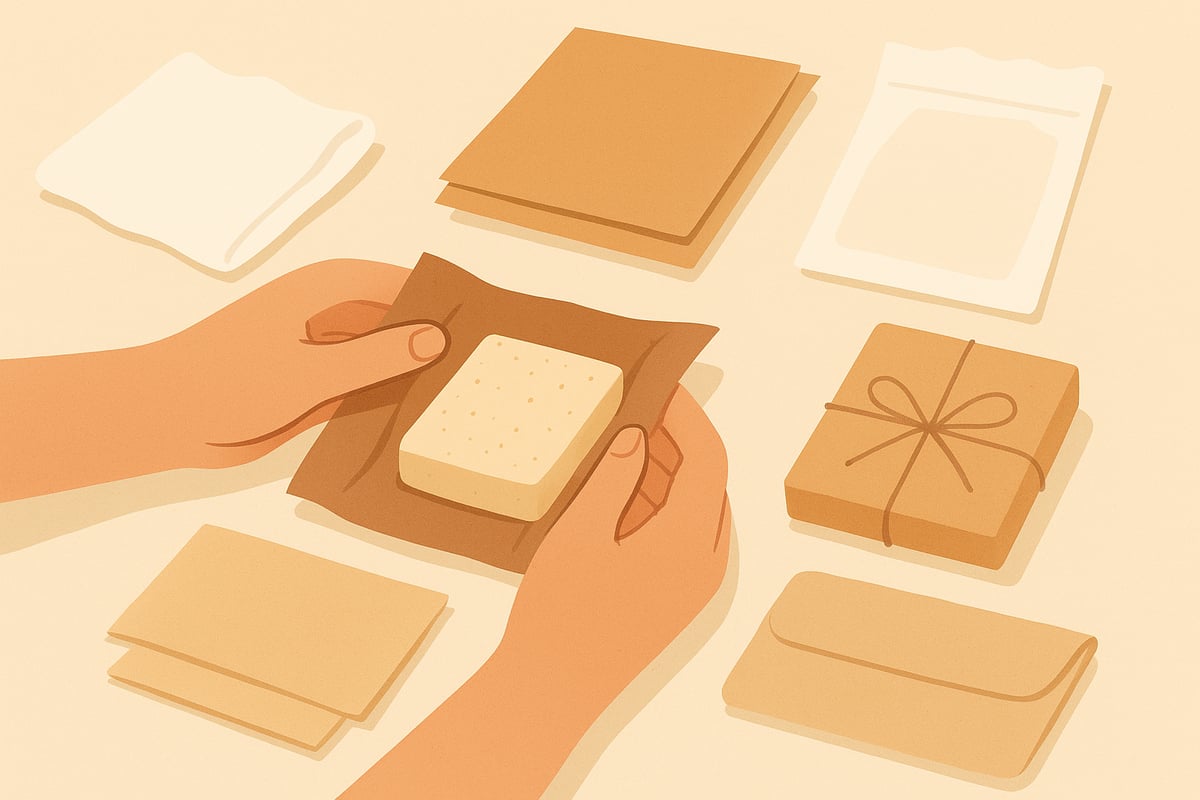
Start by wrapping each item in protective materials like tissue, kraft paper, or glassine bags. This helps prevent scratches and keeps surfaces pristine. For sets with small pieces, inner packaging such as glassine bags or small pouches is a smart move. Delicate goods, like jewelry or ceramics, benefit from extra padding using bubble wrap or padded sleeves.
Avoid leaving anything loose inside when packaging poly mailers. Items that can shift are more likely to get damaged. Always ensure products are dry and clean before packing to avoid moisture issues. Handmade soap sellers often use waxed paper to prevent oil stains, and eco-conscious makers can explore eco-friendly mailer solutions for sustainable inner packaging.
Organizing and Grouping Multiple Items
When shipping multiple pieces, bundle sets with twine or eco-friendly bands to keep them together. For orders with varied shapes and sizes, use dividers or small boxes to organize contents neatly. Grouping items is a key strategy in packaging poly mailers, reducing movement and protecting everything during transit.
Be careful not to overpack. Leave just enough space to seal the mailer easily without stretching it. Including a packing slip or a thank you card adds a professional, personal touch. Studies show 60% of customers appreciate a neat, organized unboxing, so taking a few extra moments here really pays off.
Step 3: Sealing and Labeling Poly Mailers Properly
Making sure your package arrives safely starts with how you finish the job. Sealing and labeling are the final touchpoints in packaging poly mailers, and they can make all the difference for handmade sellers aiming to impress customers with every shipment.
Best Practices for Sealing
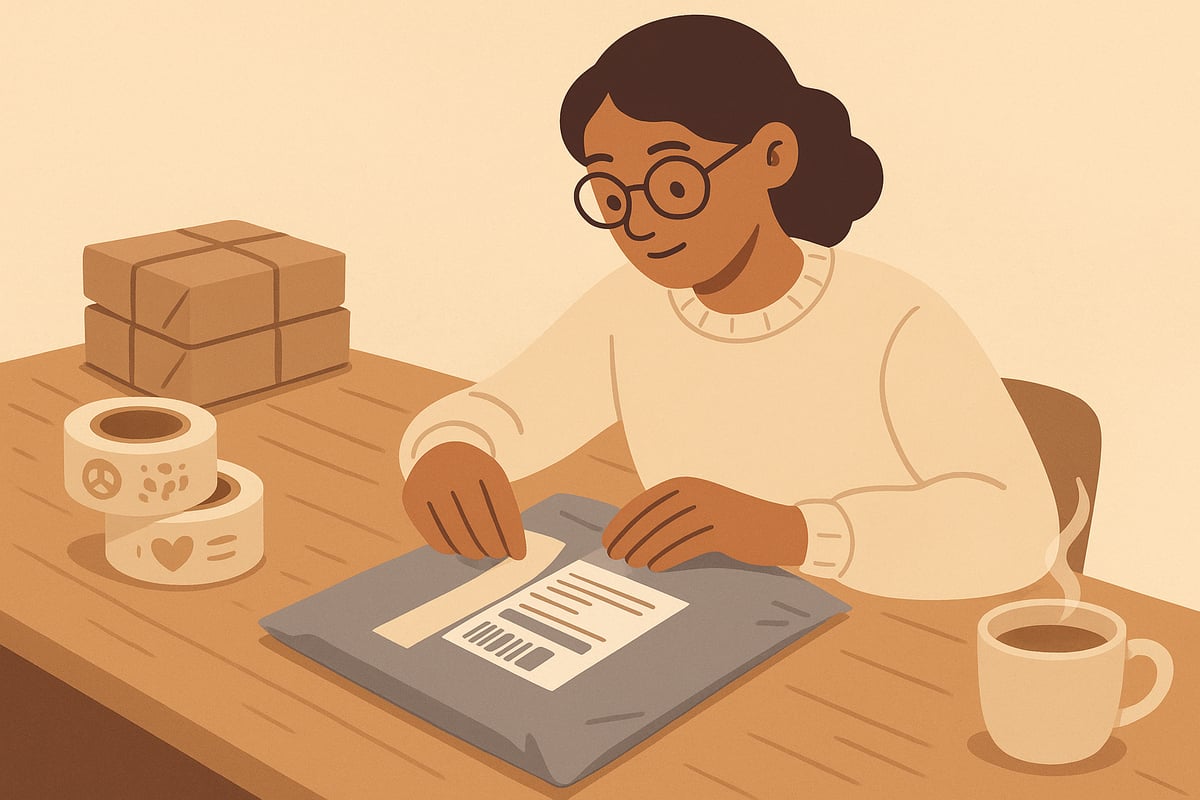
Getting a secure seal on your packaging poly mailers is essential for protecting your products on their journey. Start by using the built-in adhesive strip, pressing firmly along the entire edge to prevent gaps. For heavier or high-value items, reinforce the closure with packing tape for extra security.
Check every corner to ensure nothing is left open, as even small gaps can snag during transit. Avoid overstuffing, since a flat, snug seal is less likely to burst open. Tamper-evident seals are a wise choice for branded goods, adding peace of mind for both you and your customers. Many apparel brands now use custom tape, which not only strengthens the package but also adds a personal touch.
Accurate Labeling and Addressing
Clear, accurate labeling is crucial when packaging poly mailers for shipping. Place your shipping label on the flattest part of the mailer so it scans easily. Make sure addresses are complete and free from errors, as automated systems rely on clear information.
Consider using waterproof labels, or cover them with clear tape to keep them legible in all weather. Add “Do Not Bend” or “Fragile” stickers if your items need extra care. Always include a return address in case your package cannot be delivered. With more advanced sorting technology in 2026, precise labeling helps your parcels move smoothly through the system and reach happy customers.
Eco-Friendly Packaging Solutions for Poly Mailers
Eco-friendly options for packaging poly mailers are quickly becoming the new standard in 2026, as shoppers increasingly expect sustainable choices at checkout. The surge in biodegradable and compostable mailers is transforming how handmade sellers and small businesses ship, with the eco-friendly poly mailer market growth reflecting this shift.
What sets these packaging poly mailers apart? Take a look at these popular features:
- Plant-based or recycled plastic materials
- Non-toxic, water-based inks
- Durable yet compostable construction
| Mailer Type | Breakdown Time | Eco-Friendly? |
|---|---|---|
| Biodegradable Mailer | 6–24 months | Yes |
| Traditional Plastic | Decades | No |
Eco mailers not only help reduce waste, but they can also boost your brand’s reputation among eco-conscious shoppers. In fact, many buyers are now checking for third-party certifications like BPI or OK Compost before clicking "buy." For practical tips and the latest on what customers expect, check out this guide on consumer demand for sustainable packaging.
One handmade soap shop saw a wave of positive feedback after switching to compostable mailers. Many marketplaces now encourage or require sustainable packaging, so making the switch is both a smart and forward-thinking move for any shop.
Troubleshooting Common Poly Mailer Shipping Issues
Shipping with poly mailers can feel like a breeze until something goes wrong. Even with careful planning, mishaps can happen. Let’s break down the most common packaging poly mailers problems and how to fix them before they reach your customers.
Common issues with packaging poly mailers:
- Torn or punctured mailers
- Damaged goods inside
- Lost packages
- Labels that won’t scan or peel off
- Returns due to poor presentation
To tackle these, try upgrading to thicker or padded mailers, add inner packaging for delicate items, and use reinforced tape for extra hold. Always double-check that your adhesive strip is secure and corners are sealed.
For valuables, opt for tracking and insurance. When handling returns, resealable mailers and a clear return slip make life easier for everyone.
Did you know 25% of returns in 2025 were caused by inadequate packaging? A quick quality control checklist can help:
- Inspect all seals and corners
- Verify addresses and labels are clear
- Give each package a gentle shake to check for movement
Want more tips? Check out this helpful guide on troubleshooting shipping mistakes to avoid the most common pitfalls.
A boutique owner recently reduced complaints by using a pre-shipment checklist. Small steps like these make packaging poly mailers more reliable, keeping your customers happy and your shop stress-free.


