



When you're running a small shop, every detail matters. The packaging you choose doesn't just protect your products during shipping-it's often the first tangible touchpoint your customers have with your brand. Mail packaging bags have become the go-to solution for countless makers and small business owners, offering a lightweight, cost-effective way to ship everything from handmade jewelry to vintage clothing. But with so many options available in 2026, how do you choose the right ones for your business?
Understanding Your Mail Packaging Bag Options
The world of shipping bags has expanded dramatically over the past few years. You're no longer limited to those crinkly plastic mailers that fill landfills.
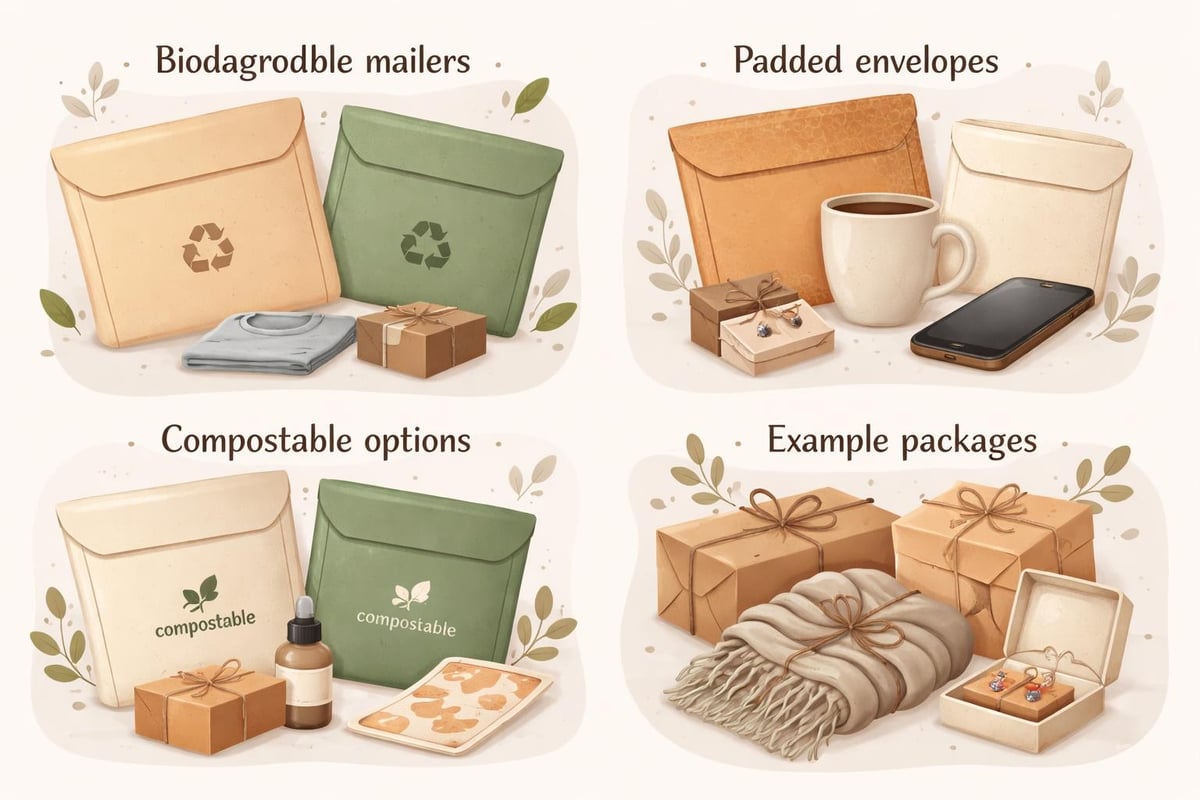
Today's most popular types include:
- Biodegradable mailers made from plant-based materials
- Padded envelopes with recycled paper cushioning
- Compostable options that break down naturally
- Traditional poly mailers (though these are falling out of favor)
Each type serves different needs. Biodegradable mailer bags work beautifully for clothing and soft goods, while padded versions protect more delicate items like ceramics or glassware.
The global mailing bags market is projected to reach $3.9 billion by 2031, driven largely by demand for sustainable solutions. That's not just a trend-it's a fundamental shift in how we think about packaging.
Material Matters More Than Ever
Your customers care about sustainability. Really care.
When you're evaluating quality mailing bags, material composition should be your first consideration. Look for certifications like ASTM D6400 or EN 13432, which verify compostability claims. California recently sued manufacturers for false recyclability claims, making accurate labeling more important than ever.
Sizing Your Bags Correctly
Nothing frustrates customers more than excessive packaging. It wastes materials, increases shipping costs, and signals that you don't care about efficiency.
Here's a practical approach:
- Measure your most common products when packaged
- Add 1-2 inches to length and width for easy sealing
- Test different sizes with actual orders
- Track customer feedback about presentation
| Product Type | Recommended Size | Common Use Cases |
|---|---|---|
| Jewelry, accessories | 6x9 inches | Earrings, bracelets, small items |
| T-shirts, small clothing | 10x13 inches | Single garments, scarves |
| Multiple items, dresses | 14.5x19 inches | Bulk orders, larger apparel |
Need help figuring out exact dimensions? The mailer bag calculator can save you time and reduce waste.
Compliance and Postal Requirements
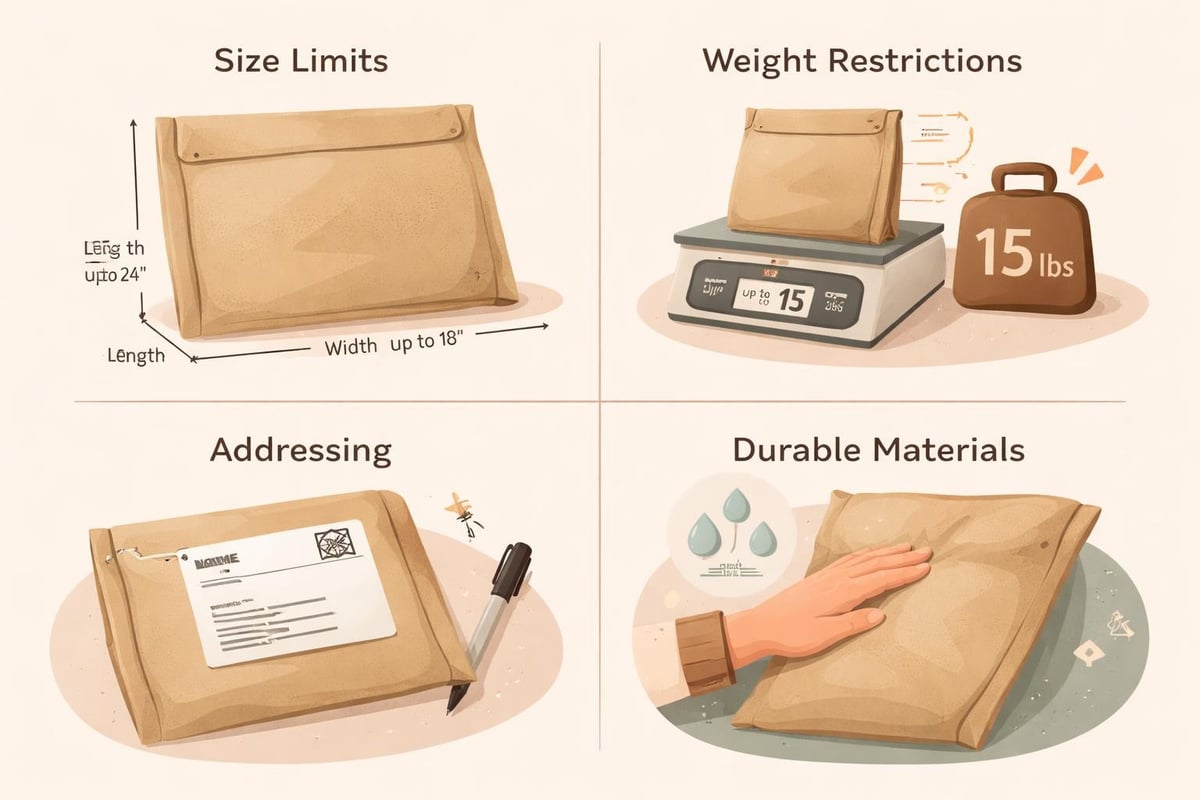
Don't overlook the technical side. USPS has specific packaging requirements that vary by service level and contents.
Key considerations include:
- Weight limits for different mail classes
- Thickness requirements for automated processing
- Special rules for hazardous materials (updated in January 2025)
- Proper addressing and barcode placement
The USPS mailability standards document provides comprehensive guidance, though it's admittedly dense reading.
Making Sustainable Choices That Actually Work
Here's the truth: not all "eco-friendly" packaging performs equally.
Compostable mailing bags vary widely in decomposition timelines and durability. Some break down within 90 days in industrial facilities, while others need specific conditions. You want packaging that protects your products during transit but doesn't persist in the environment for centuries.
Consider these factors:
Durability during shipping-your bags need to survive sorting facilities, weather, and handling without tearing or compromising your products.
End-of-life options-can customers compost them at home, or do they need industrial facilities? Clear disposal instructions build trust and reduce confusion.
Certification backing claims-look for third-party verification rather than vague marketing terms. Impack's certifications page shows what legitimate verification looks like.
The Branding Opportunity
Plain bags work fine, but custom packaging elevates your brand. Even simple additions make a difference.
You might add:
- Thank you stickers on the seal
- Printed logos or patterns
- Branded packing tape
- Care instruction cards
Padded mailers in natural kraft paper create an upscale, artisanal impression that resonates with conscious consumers. The texture and appearance immediately communicate care and quality.
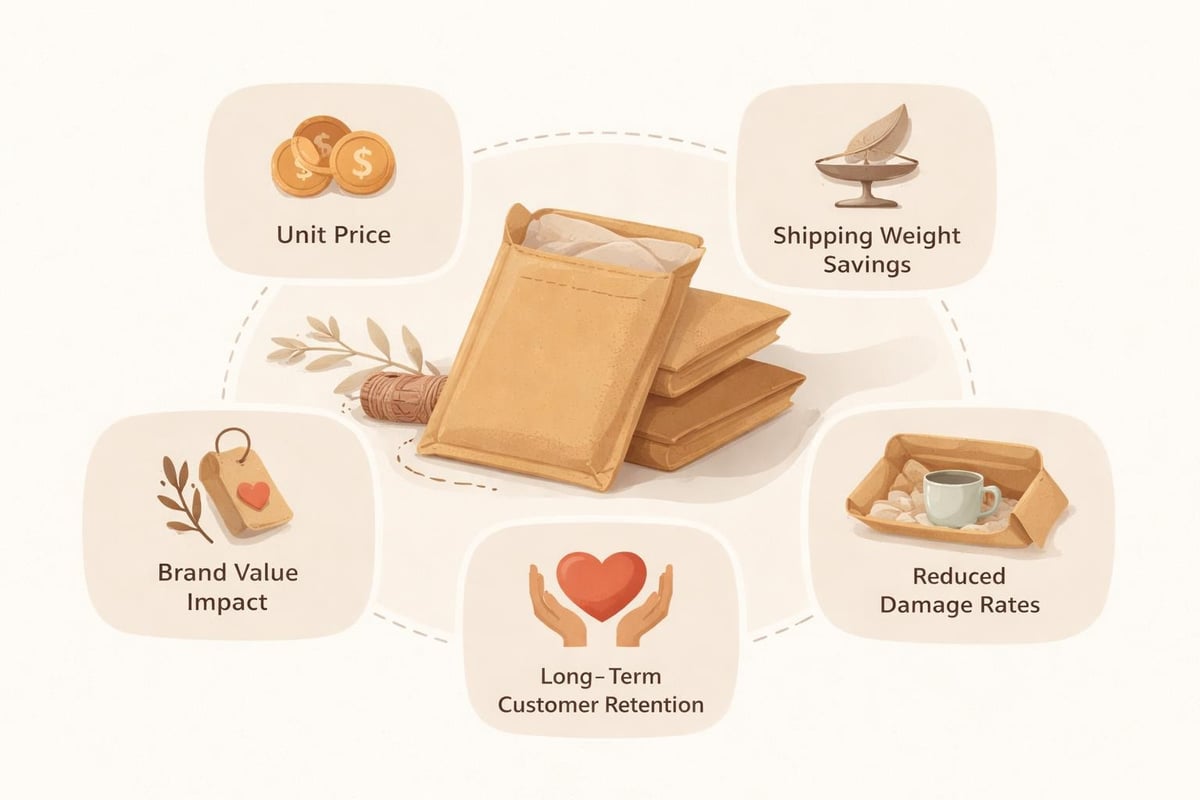
Cost Considerations Beyond Price Per Unit
Yes, budget matters. But the cheapest option often costs more in the long run.
| Cost Factor | Impact | Consideration |
|---|---|---|
| Shipping weight | Direct postage costs | Lighter bags reduce per-order expense |
| Damage rates | Replacement + customer service | Quality prevents costly returns |
| Brand perception | Customer lifetime value | Premium packaging encourages repeat purchases |
| Environmental impact | Brand reputation | Sustainable choices attract aligned customers |
Free shipping on packaging supplies means more predictable budgeting. Factor that into your calculations when comparing vendors.
Testing Before Committing
Never order 1,000 bags without testing first.
Request samples. Ship items to yourself or friends in different climates. Check how the bags perform after sitting in a hot mailbox or getting rained on. Sample packs let you evaluate materials, sizes, and sealing mechanisms with minimal investment.
Pay attention to:
- Seal strength and adhesive quality
- Water resistance during wet conditions
- Tear resistance when overstuffed
- How the material feels to customers
Special Considerations for Specific Products
Different products need different approaches. Glassine bags work wonderfully for baked goods or delicate items, while bubble mailers protect breakables.
For artwork and prints: Use rigid mailers that prevent bending. Glassine provides archival-quality protection.
For cosmetics or liquids: Double-bagging with sealed inner packaging prevents disasters from leaks.
For jewelry: Smaller bags reduce waste, but ensure adequate padding for protection during handling.
Avoiding common packaging mistakes saves money and preserves your reputation. Learn from others' experiences rather than your own errors.
Seasonal Planning and Inventory
Mail packaging bag needs fluctuate throughout the year. Holiday rushes, summer shipping challenges, and seasonal products all affect your requirements.
Smart inventory management means:
- Tracking monthly usage patterns
- Building buffer stock before peak seasons
- Taking advantage of current deals when available
- Storing bags properly to prevent moisture damage
The Small Shop Circle community shares seasonal tips and helps smaller businesses navigate inventory challenges together.
Choosing the right mail packaging bags combines practical considerations with brand values. You need protection, compliance, and sustainability-all while staying within budget and creating memorable unboxing experiences. Impack specializes in helping small shops navigate these decisions with biodegradable mailers, padded envelopes, and sustainable supplies that ship free throughout the US and Canada. Start with samples, test thoroughly, and build packaging that reflects the care you put into every product.


