



When you know how to use gummed paper tape step by step, it becomes as simple as any tape gun—just with a better seal and a better story for your brand.
Thoughtful tape on a box is part of that design. This guide shows you exactly how to wet, apply, and cure gummed paper tape, how to fix common mistakes, and how to fold it into your daily packing routine with confidence.
Key takeaways
-
Water-activated gummed paper tape is stronger, more sustainable, and more polished than plastic tape. Once you learn a simple three-step flow—wet, apply, press and let dry—your packing process stays quick and calm.
-
The tape works because the wet starch adhesive soaks into cardboard fibers and then dries into a single layer with the box. Small changes in how evenly you add water and how firmly you press the tape can make a big difference to package security.
-
With basic storage habits and a bit of practice, gummed tape fits smoothly into small and growing shops. Used well, it cuts plastic use, trims wasted tape, and gives every order a more thoughtful unboxing moment without needing custom boxes.
What is water-activated gummed paper tape?
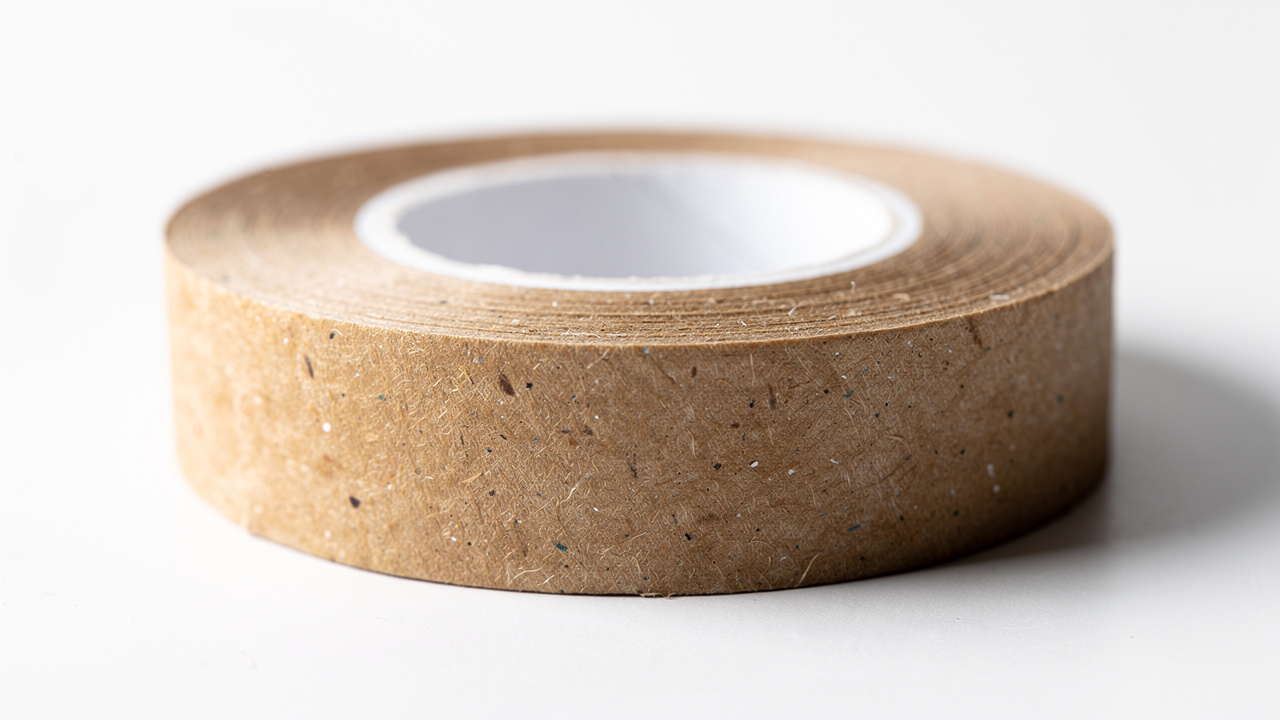
When people ask how to use gummed paper tape, it helps to start with what it is. This tape is a strip of kraft paper with a dry, starch-based adhesive on one side. It feels smooth and non-sticky until you moisten it.
Once you add water, the starch softens and sinks into the fibers of a cardboard box—a characteristic that has driven the Paper Gummed Tape Market to expand as businesses seek stronger, more sustainable packaging solutions. As the water evaporates, the tape and box fibers fuse together, creating a permanent, tamper-evident seal that cannot be peeled away cleanly.
For small businesses, that means:
-
Strength and security – attempts to lift the tape will tear the box.
-
Sustainability – kraft paper and starch adhesive are renewable, biodegradable, and can be recycled with the carton.
-
Efficiency – one centered strip often replaces several layers of plastic tape.
There are also reinforced versions with thin fiberglass strands for heavier parcels, but the basic idea stays the same.
How to apply gummed paper tape: your step-by-step guide
Learning how to apply gummed paper tape comes down to three simple stages:
-
Wet the adhesive.
-
Place and press the tape.
-
Let the bond dry and harden.
Once you have walked through this a few times, it becomes fast and routine.
Step 1: Wetting the tape
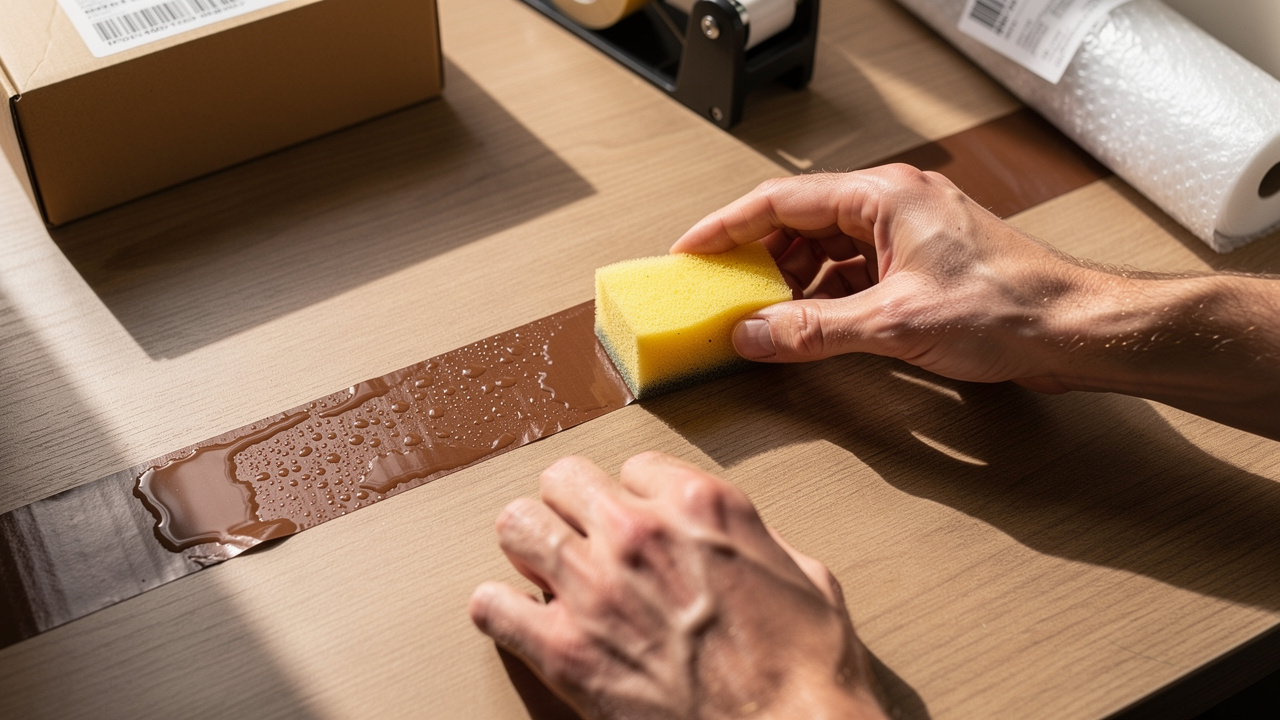
The first key to using water-activated tape is even moisture. The whole gummed surface needs a thin, consistent layer of water—enough to look fully moist and slightly glossy, but never soaked or dripping.
Different packing volumes match different wetting methods:
|
Method |
Best for |
How it works |
|---|---|---|
|
Sponge |
Very small batches |
Cut a strip, drag the gummed side across a damp sponge. |
|
Manual dispenser |
Small to mid-size operations |
Pull tape through a water brush that wets the adhesive evenly. |
|
Automatic dispenser |
Higher volume stations |
Machine wets and cuts tape to preset lengths for consistency. |
Whichever you choose:
-
If the tape looks patchy or dry, it needs another light pass over water.
-
If it looks dull and soggy or starts to tear, there is too much water—dial it back.
Step 2: Applying the wet tape
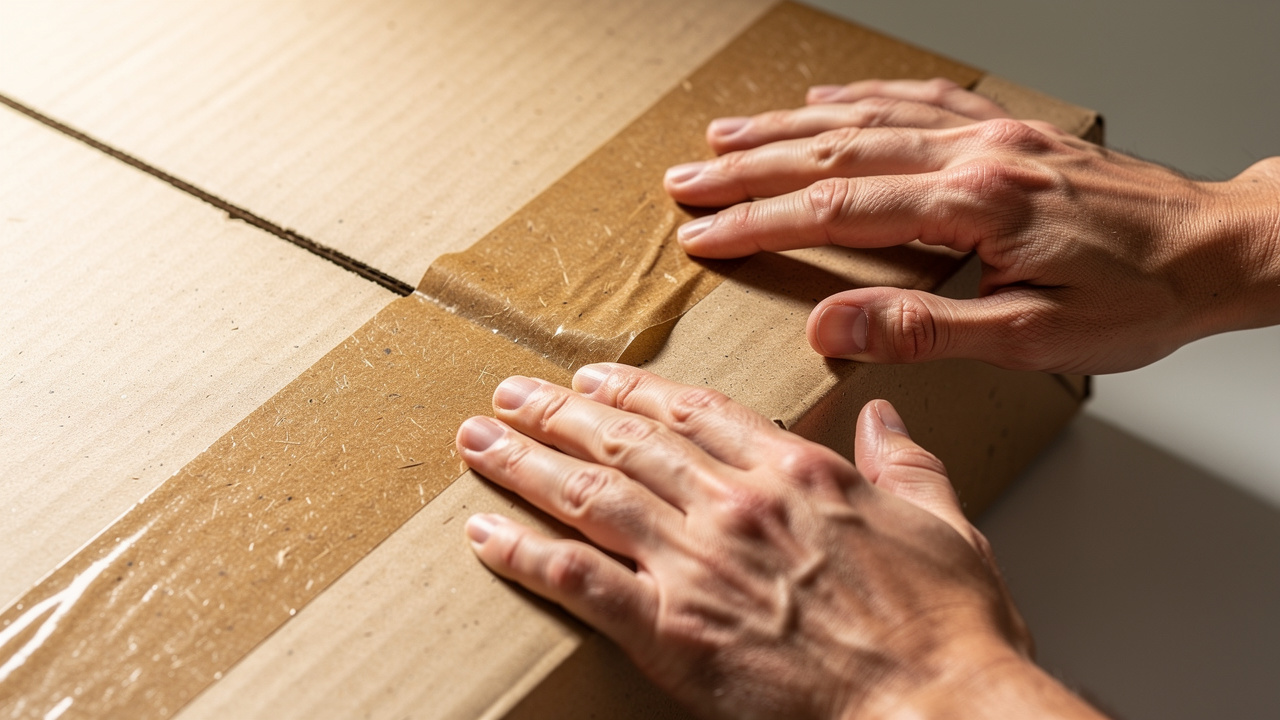
Once the tape is wet, move quickly but calmly so it does not start to dry in the air. Center the strip over the box seam with the gummed side facing down and work in one smooth motion.
A simple pattern helps:
-
Anchor one end at the edge of the box.
-
Guide the strip along the seam, keeping it straight and centered.
-
Press as you go, using your hand, a scraper, or a small squeegee to push out air.
Pay extra attention to:
-
Edges and corners – run your thumb or tool firmly along both sides of the strip.
-
Cut ends – clean edges look more professional and resist lifting.
Good pressure helps the adhesive soak into the cardboard, which is what gives gummed tape its secure hold.
Step 3: Activating the adhesive and allowing it to cure
Once the strip is down and pressed, the adhesive starts to cure as the water evaporates. Within a minute or two, the tape grips well enough to move the parcel along your table.
For best results:
-
Let the box sit for several minutes before stacking or shipping.
-
Avoid peeling or shifting the strip while it is drying.
-
Keep packing areas as dry and moderate in temperature as you practically can.
When the tape has cured, it fuses with the box fibers and can no longer be removed in one piece. Any attempt to lift it will leave torn cardboard, which gives both you and your customer clear proof of a secure seal.
Troubleshooting common issues with gummed tape
Small hiccups are normal while you are learning how to use gummed paper tape. Most have simple fixes:
-
Tape not sticking well
Usually the surface is dusty, oily, or still has plastic tape residue, or the strip is not wet enough. Start with clean, dry cardboard and use enough water for a light, even shine. -
Wrinkles or air bubbles
These appear when the strip is laid down in stops and starts. Apply in one steady motion and press as you go. If a wrinkle shows up, gently lift that small section and smooth it back with firmer pressure. -
Tape tearing or feeling soggy
This points to too much water or rough handling. Trim off the damaged part, reduce the water level on your sponge or dispenser, and try again more gently. -
Edges curling or lifting
The borders probably were not fully moistened or pressed. Make sure the full width is wet and run a thumb or tool firmly along both edges right after placing the tape.
With a few practice boxes, you will quickly recognize what a well-wetted, well-pressed strip looks and feels like.
Best practices for storing and using gummed paper tape
Knowing how to apply gummed paper tape is only half the story; how you store and handle the rolls affects performance too.
Keep these habits in mind:
-
Store rolls well
Gummed tape uses a starch adhesive that reacts to heat and humidity. Keep rolls in a cool, dry place, away from direct sun, ideally in their packaging or a closed bin so dust and stray moisture stay out—proper storage practices that align with infection prevention practices and guidelines for maintaining material integrity in commercial settings. -
Handle the gummed side carefully
Touch the adhesive as little as possible so skin oils and dirt do not interfere with bonding. If you buy several rolls, use a simple first-in, first-out rhythm so older stock is used first. -
Match application to package weight
For items up to about ten pounds, a single strip of NOYO standard gummed paper tape along the main seam is usually enough. For heavier cartons or sharp contents pushing against the flaps, add a second strip across the top or move to reinforced tape.
Design can work hard for you here as well. NOYO floral prints such as Floral Rosy Brown wrap boxes in gentle color and pattern, stay fully recyclable, and each roll (around fifty meters long) covers many orders before you need to restock.
Why NOYO gummed paper tape is perfect for small businesses
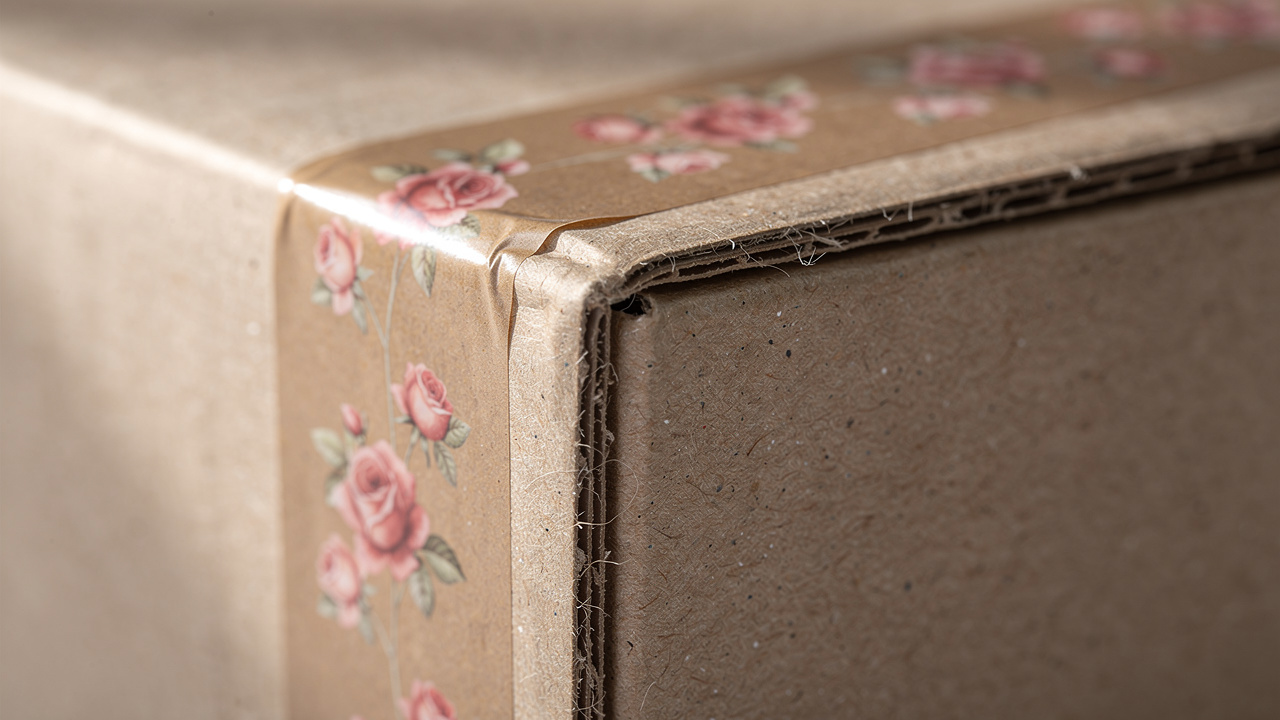
At NOYO, we talk with makers, boutique owners, and small e‑commerce teams who want packaging that feels kind to the planet and generous to customers. Our water-activated gummed paper tape, including the Packing Tape in Floral Rosy Brown, is made from 100% FSC-certified paper and a natural starch adhesive, so every strip supports the eco promises you share with your audience.
Ease of use matters just as much. Activation is as simple as “add water and press,” whether you are using a basic sponge or a dispenser you add as your order volume grows. We back that up with guides such as “Which gummed tape dispenser for me” so you can match tools to your packing table without guesswork.
Security is another strength: applied correctly, NOYO tape holds packages up to around ten pounds with clear tamper evidence, while reinforced options carry that same calm paper look to heavier shipments. Paired with other NOYO pieces like glassine bags and stickers, it turns everyday packaging into a quiet storytelling space that customers notice—something reflected in hundreds of five-star reviews from small businesses.
Conclusion
Learning how to use gummed paper tape comes down to three actions: wet the adhesive evenly, lay the strip along the seam with care, and give the bond a few minutes to dry into the cardboard fibers. Once that pattern feels natural, every box on your table can leave with a seal that looks refined and resists tampering.
When you pair this method with NOYO gummed paper tape, you bring soft patterns, fully recyclable materials, and dependable strength into your packing routine. Start with a sponge and a single roll, seal a few sample boxes, and you will see how a small change in tape can quietly raise the standard of every order you send.
FAQs
How much water do I need to activate gummed paper tape?
You need just enough water to cover the entire gummed surface with a smooth, even film. The tape should look fully moist and slightly glossy, not dry and not dripping. With a sponge, one firm pass across a well-dampened pad is usually enough; with a dispenser, adjust the brush so the tape comes out evenly wet from edge to edge.
Can I use gummed paper tape on all box types?
Water-activated gummed tape works best on porous materials like corrugated cardboard and kraft paper mailers, where the adhesive can soak into fibers. Coated, glossy, or plastic surfaces give the glue very little to grip, so the seal will be weaker. For reliable results, make sure the box surface is clean, dry, and uncoated before you apply the tape.
Is gummed tape really stronger than plastic tape?
Yes. When you know how to use gummed paper tape correctly, the wet starch adhesive fuses with the cardboard instead of just sitting on top, so the tape cannot be peeled away without tearing the box. That makes tampering easy to spot and keeps flaps from popping open in transit. Standard NOYO gummed tape secures packages up to around ten pounds, and reinforced versions with fiberglass strands add strength for heavier cartons.
How do I choose the right tape dispenser?
The best dispenser depends on how many orders you pack on a typical day. If you ship only a few boxes, a simple damp sponge is enough and is a low-cost way to get comfortable with gummed paper tape. As volume grows, a manual dispenser with a water reservoir speeds things up and keeps wetting consistent. High-volume packing stations benefit from automatic dispensers that moisten and cut tape to preset lengths; NOYO shares resources such as “Which gummed tape dispenser for me” to help you match the right tool to your business.


