



Imagine holding packaging that keeps your handmade goods safe and also safeguards the earth. As eco-consciousness grows, the demand for better solutions is urgent.
This guide is your friendly companion to understanding biodegradable clamshell packaging. We’ll explore what it is, why it matters, and how you can make informed, sustainable choices for your business in 2026.
Get ready to discover the benefits, practical steps, and future trends that make switching to biodegradable clamshell packaging a powerful move for your brand and our planet.
Understanding Biodegradable Clamshell Packaging
Clamshell packaging is a familiar sight for anyone who enjoys a quick café lunch or shops for fresh produce. Traditionally made from clear plastic, these hinged containers snap shut to keep food, retail goods, or shipped items secure and visible.
But what sets biodegradable clamshell packaging apart from its plastic cousins? The secret lies in the material. “Biodegradable” means the package can break down naturally in the environment, turning into water, carbon dioxide, and organic matter. This is different from “compostable,” which requires specific conditions to turn into healthy soil, and “recyclable,” which gets processed into new materials but doesn’t actually disappear.
Common Materials and Their Timelines
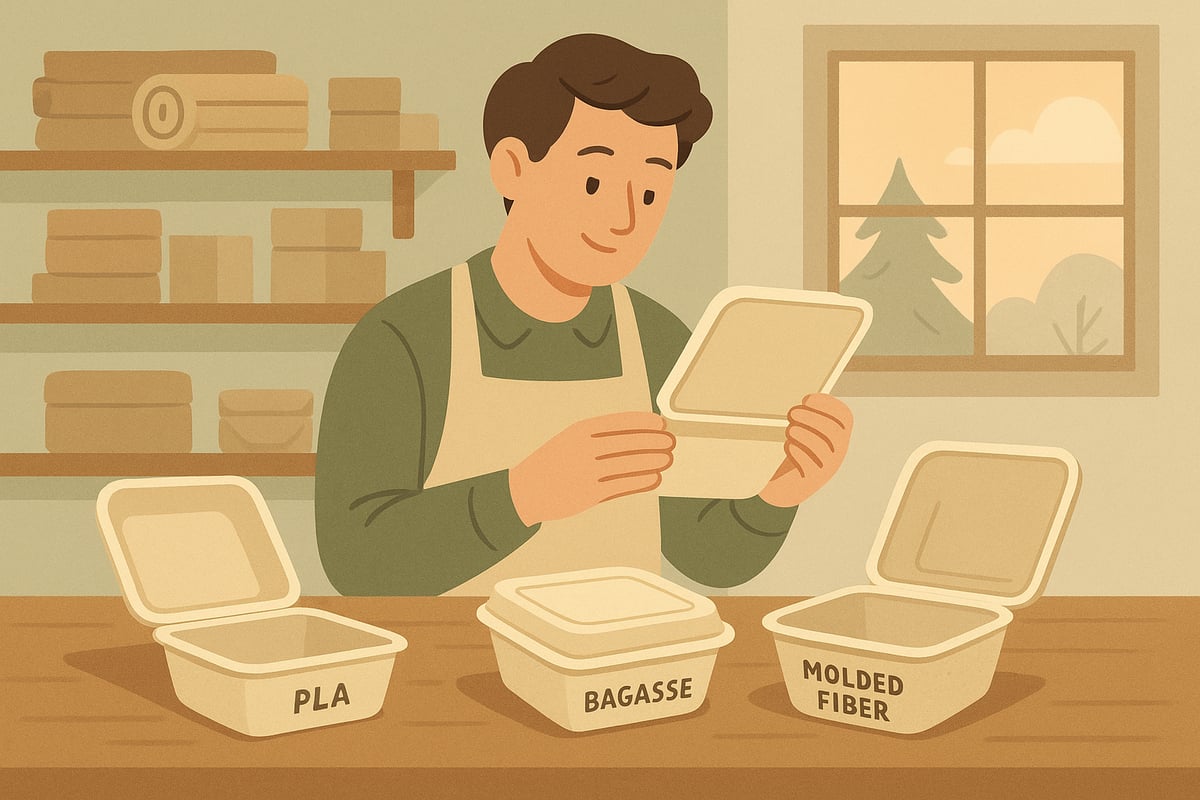
Let’s look at the most popular materials for biodegradable clamshell packaging:
| Material | Best Use | Breakdown Time |
|---|---|---|
| PLA (corn-based) | Cold foods, salads | 3-6 months (industrial compost) |
| Bagasse (sugarcane fiber) | Hot foods, bakery | 2-4 months (home compost) |
| Molded fiber | Retail, takeout | 2-6 months (varies) |
Did you know that packaging accounts for a staggering 40% of all plastic waste, according to UNEP in 2023? That’s why choosing biodegradable clamshell packaging is more than a trend—it’s an urgent shift for our planet.
How to Spot Genuine Sustainability
Not all “green” claims are created equal. Some products look eco-friendly but don’t live up to their promises. Look for trusted certifications like BPI or ASTM D6400. These labels prove the packaging meets strict standards for breakdown and safety. If you want to dig deeper, check out this helpful overview of supplier certifications for packaging.
Leading the Change
Food services, cafés, and even boutique retailers are making the switch to biodegradable clamshell packaging. They’re showing customers it’s possible to protect both products and the environment, one thoughtful package at a time.
Environmental Impact and Benefits
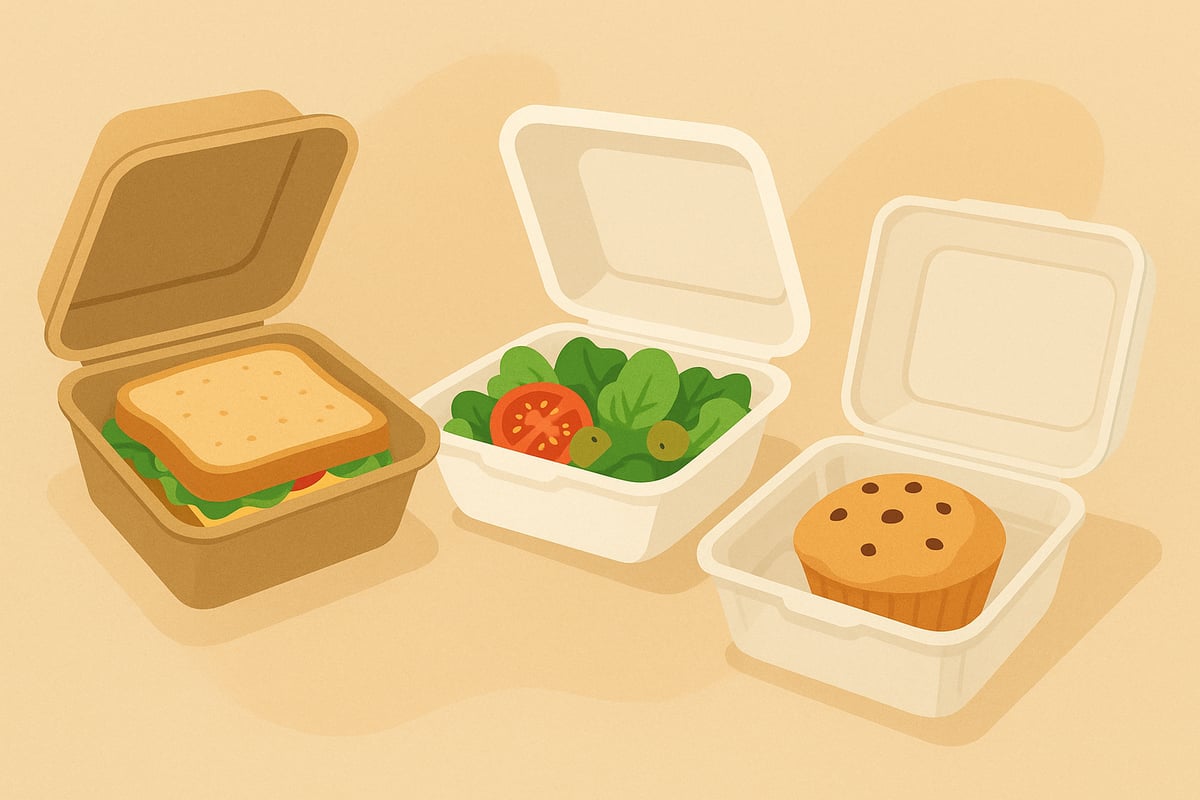
Choosing biodegradable clamshell packaging is a powerful way to reduce your business’s environmental footprint. Compared to traditional plastic, these innovative containers use renewable materials and emit less carbon throughout their life cycle. According to the EPA, compostable packaging can cut greenhouse gas emissions by up to 50 percent. By switching, you help shrink the 40 percent share of global plastic waste caused by packaging. Want to dive deeper? Learn more about alternatives to plastic packaging and how they stack up for sustainability.
Real-World Benefits and End-of-Life Scenarios
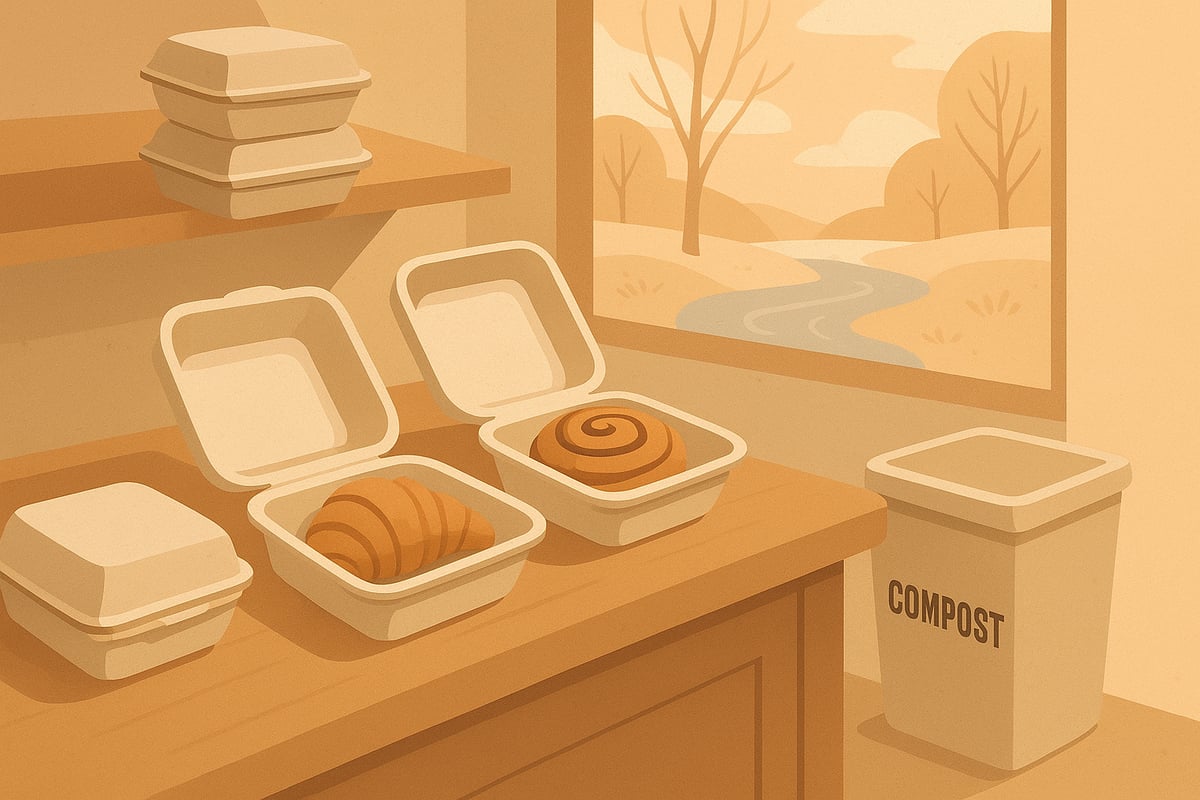
Let’s look at the benefits in action. When a bakery switched to molded fiber clamshells, they cut landfill waste and delighted customers who care about the planet. Biodegradable clamshell packaging supports a circular economy by turning waste into valuable compost. Home composting is possible for some materials, while others need industrial facilities. Even if composting isn’t available, these clamshells break down faster in landfills and are less likely to pollute waterways, helping protect marine life.
| Packaging Type | Greenhouse Gas Emissions | Landfill Impact | Compostability |
|---|---|---|---|
| Traditional Plastic | High | Lasts centuries | Not compostable |
| Biodegradable Clamshell (PLA) | 50% lower | Breaks down | Home/Industrial |
Choosing biodegradable clamshell packaging isn’t just good for business, it’s a step toward cleaner communities and a healthier planet.
Choosing the Right Biodegradable Clamshell for Your Business
Choosing the perfect biodegradable clamshell packaging for your business starts with understanding your products. Are you packaging hot lunches, delicate pastries, or retail items? Take note of the weight, temperature, and moisture sensitivity of everything you ship or sell. This helps you narrow down the best options for both protection and presentation.
To make things easier, here’s a quick comparison of popular materials used in biodegradable clamshell packaging:
| Material | Best For | Heat Tolerance | Appearance | Compostability |
|---|---|---|---|---|
| PLA | Cold foods | Up to 40°C | Clear, glossy | Industrial |
| Bagasse | Hot foods | Up to 120°C | Opaque, matte | Home/Industrial |
| Molded Fiber | Heavy, moist | Up to 100°C | Textured, sturdy | Home/Industrial |
Branding is another factor worth considering. Custom printing, embossed logos, and tactile finishes can tell your sustainability story at first glance. Decide if you want a clear clamshell to show off your products or an opaque one for a rustic feel.
When choosing suppliers, always look for clear certifications like BPI or ASTM D6400. Transparency about sourcing and production methods is a sign you’re getting genuinely eco-friendly solutions, not just a greenwashed label.
Pricing is a top concern for many makers. Biodegradable clamshell packaging may cost 10-20% more than plastic, but prices are dropping as demand grows. Here are a few tips for keeping costs manageable:
- Ask about order minimums before committing.
- Try sample packs for eco-friendly packaging to compare quality and fit before a big purchase.
- Source locally when possible to save on shipping and support your community.
Proper storage is key. Some biodegradable clamshell packaging can be sensitive to humidity or extreme temperatures, so keep stock in a cool, dry place. Rotate inventory to avoid spoilage, especially if you buy in bulk.
Let’s wrap up with a real-world example. A small café in Portland switched to bagasse clamshells for their to-go lunches. Not only did they reduce plastic waste, but customers loved the compostable feel and the café’s commitment to sustainability. It’s proof that even small changes can make a big impact.
Steps to Make the Switch to Biodegradable Clamshells in 2026
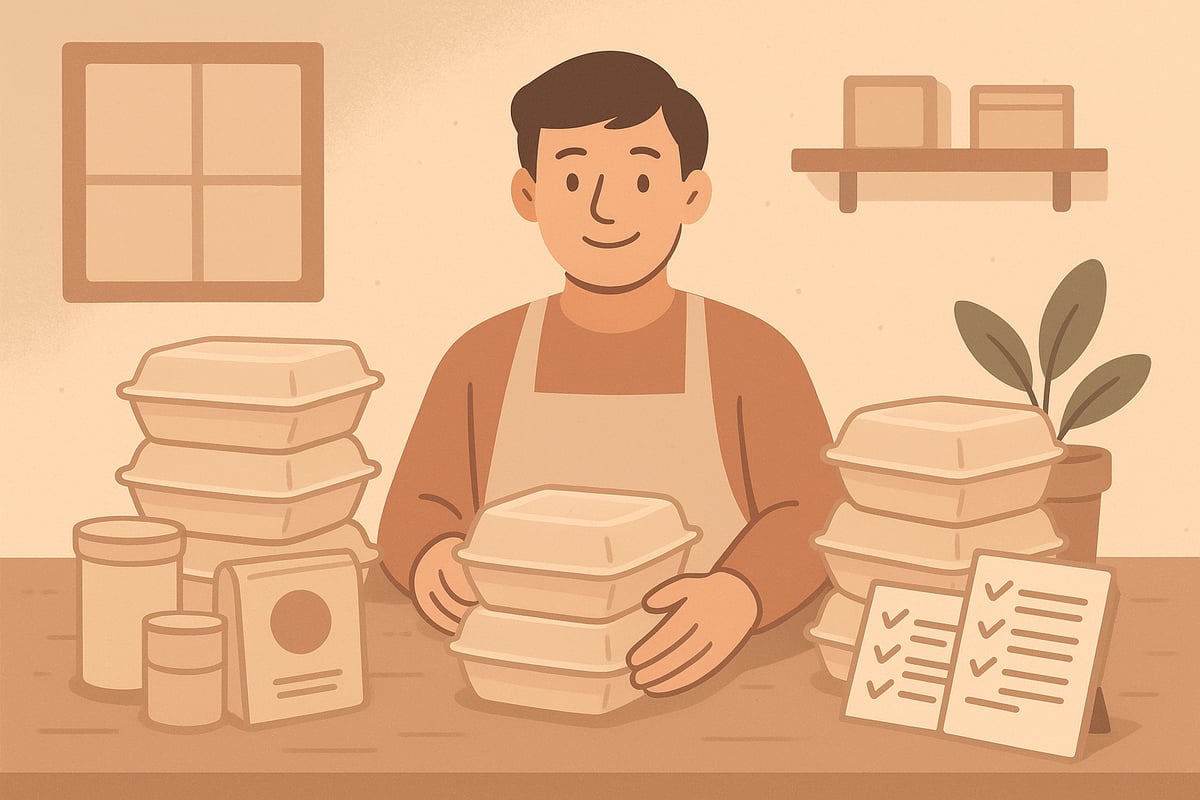
Thinking about making the leap to biodegradable clamshell packaging? Here’s a step-by-step guide to help you navigate the change smoothly, ensuring your products and values align for a greener 2026.
1. Evaluate Your Current Packaging Needs
Start by taking stock of your current packaging. List out all types, quantities, and what each item protects. Notice any pain points: Are plastic clamshells piling up as waste? Do customers mention sustainability? This overview sets the stage for a successful switch to biodegradable clamshell packaging.
2. Research Suitable Biodegradable Alternatives
Explore different materials and suppliers. Compare certifications, such as BPI or ASTM D6400, and supplier transparency. Request samples and test them for fit, durability, and food safety. Stay updated by checking out Sustainability in packaging trends to ensure your biodegradable clamshell packaging choices reflect the latest best practices.
3. Calculate Costs and Order Quantities
Analyze cost per unit for each new option. Look for bulk discounts and factor in shipping fees. Remember, you might save on waste disposal costs in the long run, helping offset the initial investment in sustainable packaging.
4. Train Staff and Update Processes
Educate your team on how to handle, store, and dispose of new packaging. Update your standard operating procedures to reflect changes in packing and labeling. A little training goes a long way in making biodegradable clamshell packaging work smoothly for everyone.
5. Communicate Changes to Customers
Communicate your switch to biodegradable clamshell packaging through signs, social media, and your website. Share your sustainability story and encourage customers to dispose of packaging responsibly, whether that means composting at home or bringing it back to you.
6. Monitor Results and Gather Feedback
Track your progress. Measure waste reduction, collect customer feedback, and monitor how these changes affect your workflow. Stay flexible and adjust as you learn what works best for your business.
Trends and Innovations in Biodegradable Clamshell Packaging for 2026
Biodegradable clamshell packaging is experiencing a wave of innovation that’s changing the way handmade sellers and small businesses think about sustainability. Imagine packaging made from seaweed, mushrooms, or advanced biopolymers—these materials are becoming more accessible and cost-effective, making it easier for brands to choose options that truly minimize their impact.
Smart packaging is also on the rise. Some clamshells now feature QR codes, guiding customers on how to compost or recycle each piece. This not only boosts transparency but also makes it simple for buyers to do the right thing. Alongside these advances, governments around the world are enacting bans on single-use plastics and offering incentives for adopting compostable alternatives.
The market for biodegradable clamshell packaging is booming, with global demand projected to grow by 15% every year through the next decade. According to the Biodegradable Packaging Market Size, Share & Report, this surge is driven by both consumer expectations for zero-waste solutions and stricter regulations. Forward-thinking brands are piloting new materials and attending trade shows to stay ahead of these trends.
To keep up with this momentum, consider subscribing to industry updates or testing sample packs of the latest eco-friendly clamshells. By embracing innovation and keeping an eye on market movements, your business can confidently offer packaging that’s both beautiful and sustainable.


